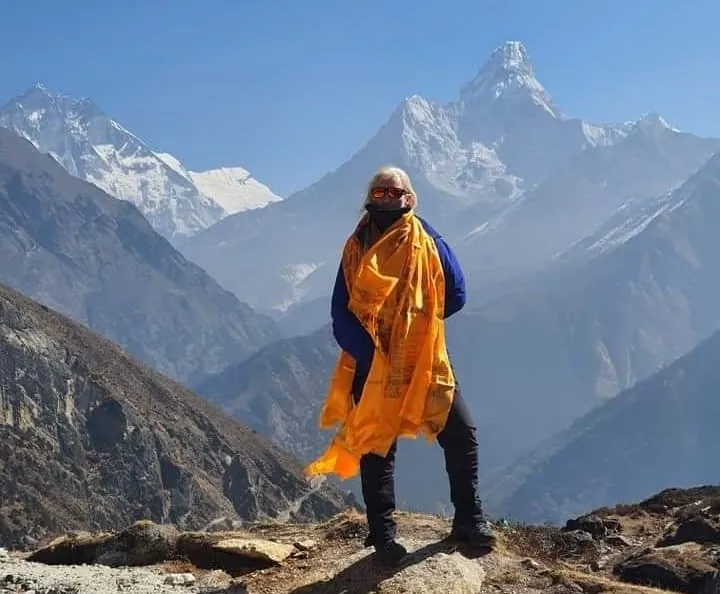
The biting wind of the Antarctic is a brutal teacher. It teaches you that every detail matters, from the layers of your clothing to the integrity of your boot laces. But the most important lesson it taught me was this: your expedition is only as strong as your feet.
Understanding the importance of effective foot care for hiking can make all the difference in your outdoor adventures.
I'm Rebecca Day, and I've seen the toughest athletes brought to their knees by a simple blister. I've learned, through trial and a lot of error, how to keep my feet moving in the most unforgiving environments on Earth. But you don't have to be trekking to the South Pole to benefit from this hard-won wisdom.
Foot and toe pain is a condition we all suffer from, but for some, it's a daily struggle. Whether you're a ballerina pushing through the extreme pressure of pointe shoes, a weekend warrior hitting the trails, or someone who spends all day standing, the principles of "expedition wellness" can transform your relationship with the ground beneath you.
From the Field: Decoding Your Foot's Distress Signals
On an expedition, you learn to listen to your body's whispers before they become screams. That dull ache or sharp pain isn't random; it stems from specific causes like injuries, overuse, or underlying medical conditions. Here's what your feet are trying to tell you.
Proper foot care for hiking is essential to ensure that your journeys are not only enjoyable but also pain-free.
Overuse Conditions: The Repetitive Strain Injuries
- Plantar Fasciitis: This inflammation of the thick band of tissue on the bottom of your foot is a classic mission-ender. It causes sharp, stabbing heel and arch pain, especially with your first steps in the morning.
- Metatarsalgia: A common complaint after long days in rigid boots or high heels, this is a burning pain and inflammation in the ball of your foot.
- Achilles Tendonitis: The inflammation of that crucial tendon connecting your calf to your heel, often from the repetitive stress of steep ascents or intense sprints.
Common Injuries & Medical Conditions
- Bunions: That bony bump at the base of the big toe doesn't just look painful; it causes significant stiffness and friction inside tight footwear.
- Tendonitis: A general inflammation of a tendon that can occur in any of your toe joints, often a result of constant friction or pressure.
- Arthritis & Gout: Conditions like Osteoarthritis, Rheumatoid Arthritis, and gout can flare up under the stress of a long day, leading to debilitating joint pain and stiffness that can stop you in your tracks.
Nerve-Related Pain
- Peripheral Neuropathy: This nerve damage can cause a confusing mix of numbness, tingling, and pain that makes trusting your footing on uneven ground incredibly difficult.
- Tarsal Tunnel Syndrome: When the tibial nerve in your ankle gets compressed, it can cause burning or tingling sensations that radiate through the foot and toes.
The Alpinist's Toolkit: Your Prevention & Repair Arsenal
Prevention is always better than a cure. My personal toolkit was developed over years in the field to tune into the exact needs of the body, allowing you to train and adventure without suffering.
Your First Line of Defense: The Protective Barrier
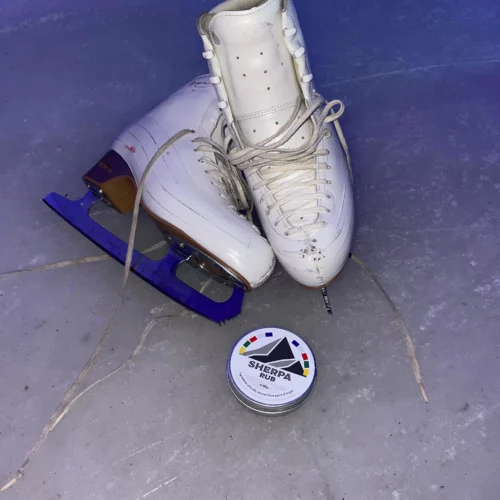
To prevent blisters from new shoes, especially unforgiving footwear like pointe ballet shoes, ice skates, or new mountaineering boots, friction is the enemy. A pea-sized amount of a product like Extreme Sherpa Rub acts as a protective skin barrier, fundamentally changing how your skin interacts with your sock and boot. Apply it to weak pressure points, any raised bumps, calluses, or bunions before you even put on your socks.
Your In-Pack Foot Care Essentials
- Moisture-Wicking Wool Socks (at least two pairs): Dry feet are happy feet. Wool manages sweat and temperature better than any other material.
- Extreme Sherpa Rub: Your non-negotiable for friction prevention and blister protection.
- Qgel: For immediate post-activity cooldown and to combat swelling.
- Athletic Tape or Moleskin: For addressing hot spots the moment you feel them.
- A Sterile Blister Treatment Kit: For when a blister forms despite your best efforts.
Debrief: The Post-Adventure Recovery Ritual
What you do after your hike is just as important as what you do during it. This recovery ritual combines classic methods with a few secrets I've learned from nature itself.
The First 15 Minutes: Cool Down & Decompress
Your first two actions as soon as you finish should be:
- Cool Down: Get your boots off, elevate your feet, and apply Qgel as soon as possible to your legs and feet. This is a critical part of the cooldown process, helping to prevent swelling and cramps before they set in.
- Decompress: Follow the classic R.I.C.E. method: Rest, Ice, Compression, and Elevation. This simple protocol is trusted by athletes worldwide for a reason.
Nature's Therapy: The Saltwater & Sand Treatment
Here's one of my favourite pro tips. If you live near the sea, one of the greatest things for your feet's wellbeing is walking at the seashore's edge. Sink your feet into the sand so they are covered to the ankle, and let the sea move over them. Wriggle, stretch, and try to grab the sand with your toes. It is not only therapeutic, but it also feels wonderful.
Don't live near the coast? You can recreate the experience at home. Fill a rectangle bucket with sand or shingles, place your feet in up to your ankles, and fill it with cool water. It might feel silly, but your feet will love you for it.
Need Personalised Advice?
If you are suffering from persistent foot pain and would like help, I can help you find the best product combination for your specific needs. Don't let foot pain hold you back from your next adventure.
Contact Rebecca for a personalised recommendation
FAQ
What is the difference between Plantar Fasciitis and Metatarsalgia?
Plantar Fasciitis is inflammation causing pain in the heel and arch area on the bottom of the foot. Metatarsalgia is inflammation and pain located in the ball of the foot, just behind the toes.
How does a friction rub prevent blisters?
A friction rub, like Sherpa Rub, creates a durable, low-friction barrier on the skin. This "second skin" prevents the chafing between your skin, sock, and shoe that leads to hot spots and blisters, especially in high-pressure areas.
Is walking in sand good for your feet?
Yes, walking in wet sand is excellent for your feet. It gently exfoliates the skin while strengthening the muscles, tendons, and ligaments in your arches and ankles as they work to adapt to the unstable surface.
What are the first signs of a foot injury I shouldn't ignore?
Never ignore sharp, localized pain that worsens with activity; swelling that doesn't go down with rest; numbness or a persistent tingling sensation; or any pain that alters the way you walk. These are signals to stop and assess the situation.
Can I use Sherpa Rub for things other than hiking?
Absolutely. It's designed for any high-friction situation. Runners use it to prevent chafing, dancers use it to protect their feet in pointe shoes, and it's fantastic for breaking in new dress shoes or boots without getting blisters.